
How Noise Pollution Affects Your Hearing Over Time

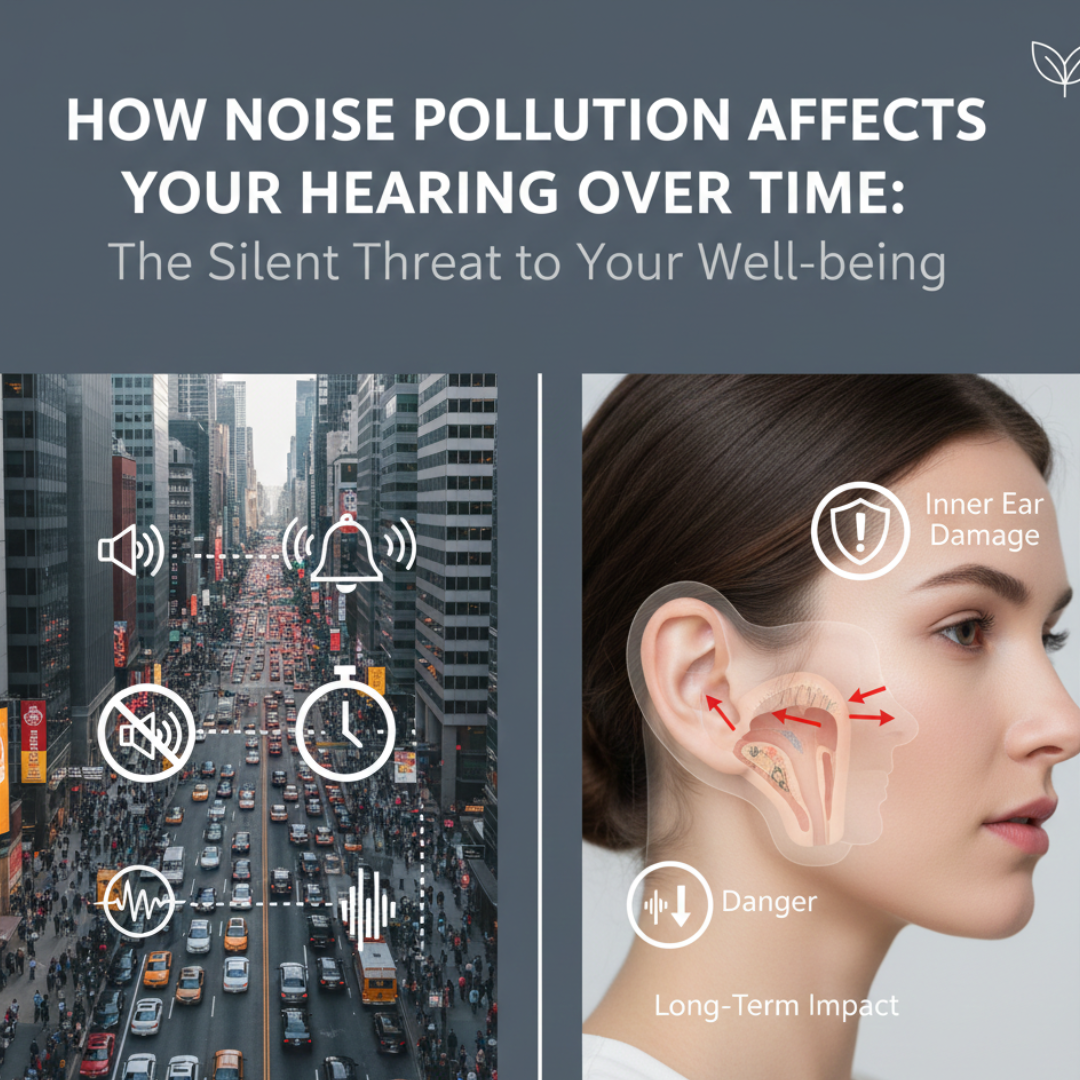
Noise pollution has become a normal part of modern city life. Traffic, construction, public transport, workplaces, and even leisure spaces expose our ears to constant sound every day. Because this exposure feels routine, many people underestimate how noise pollution slowly affects hearing over time.
Unlike sudden loud noises, noise pollution works quietly and gradually, often without immediate warning signs.
What Is Noise Pollution?
Noise pollution refers to unwanted or excessive sound that disrupts daily life. In urban environments, common sources include:
- Road traffic and motor vehicles
- Construction and renovation work
- Public transport systems
- Industrial and commercial activities
- Crowded public spaces
Even when noise levels are not extreme, continuous exposure can still place stress on the auditory system.
How Long-Term Noise Exposure Affects Hearing
Your ears are sensitive organs designed to process sound efficiently, but they are not meant to handle constant stimulation without rest. Over time, repeated noise exposure can damage tiny hair cells inside the inner ear that are responsible for hearing.
Once these cells are damaged, they do not regenerate. This can lead to:
- Reduced hearing sensitivity
- Difficulty understanding speech in noisy environments
- Increased sensitivity to sound
- Ringing or buzzing in the ears
Because this damage happens slowly, many people only notice changes after years of exposure.
The Cumulative Effect of Everyday Noise
Noise pollution does not need to come from one loud source to cause harm. Its effects are cumulative. Daily exposure to moderate noise adds up, increasing the risk of long-term hearing problems.
This is especially relevant in busy cities, where quiet periods are limited and sound exposure continues throughout the day and night.
Why Early Signs Are Often Ignored
Early symptoms of hearing stress are easy to dismiss. Fatigue, irritation, or difficulty concentrating are often blamed on work or lifestyle rather than noise exposure.
Because hearing loss develops gradually and without pain, many people delay taking protective measures until discomfort becomes noticeable.
Reducing the Impact of Noise Pollution
Managing noise exposure does not require avoiding city life. Simple steps can significantly reduce long-term impact, such as:
- Limiting time spent in noisy environments
- Lowering volume when using headphones
- Taking regular breaks from background noise
- Using earplugs during high-noise activities or rest
Earplugs help reduce overall sound levels, giving your ears time to recover and reducing cumulative damage.
Prevention Is the Best Protection
Hearing damage caused by noise pollution is often permanent, but it is also preventable. Taking small protective steps early helps preserve hearing comfort and quality over time.
In a world where noise is unavoidable, prevention becomes an essential part of long-term hearing health.
Conclusion
Noise pollution affects hearing slowly and silently. Its impact builds over time, often without clear warning signs until damage has already occurred.
By understanding how everyday noise exposure affects your ears and using simple protection like earplugs, you can reduce long-term risks and maintain healthier hearing in noisy environments.